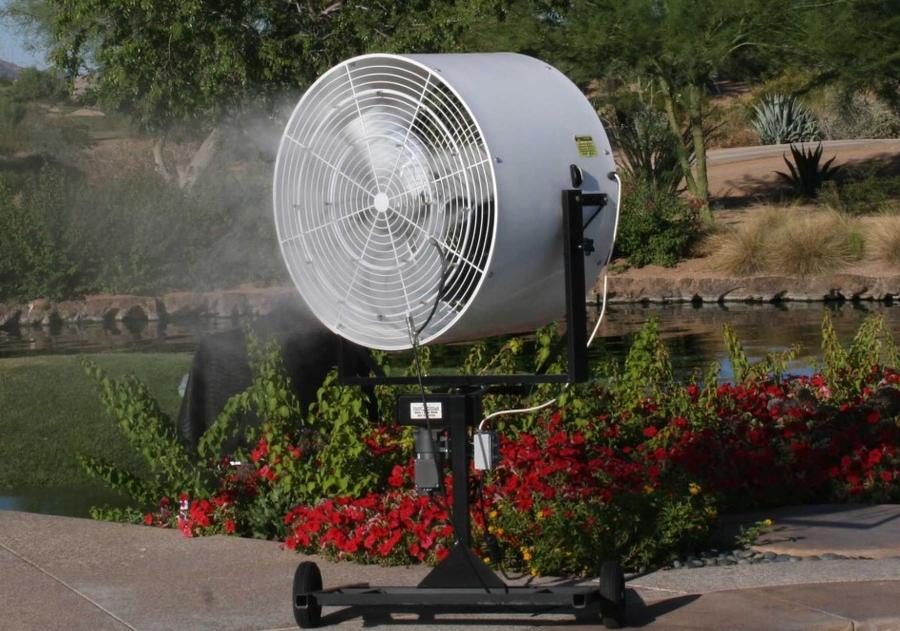

Summer in regions with extreme heat is not just a season, but a real stress test for any HVAC system. When the air temperature approaches 45-48°C and humidity can reach 90%, air conditioning ceases to be a background process, whether through a central system or a portable air conditioner. It becomes the basis of comfort and survival indoors. At the same time, many still perceive the maintenance of the air conditioner as a secondary task, postponing it until the first failures. This is a mistake that almost always leads to unnecessary costs and reduced efficiency.
Invisible Losses: How The System Loses Efficiency
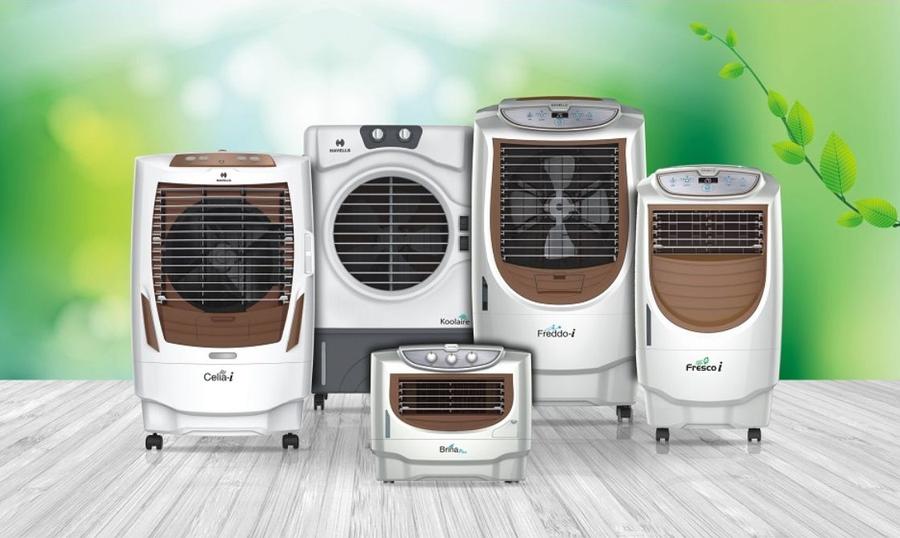
At first glance, everything seems to be working. The air cools, the thermostat reacts, and the compressor starts. But problems are gradually accumulating inside the system. Filter contamination is the most obvious factor, but far from the only one. Dust and sand settle on the coils, impairing heat transfer, and this directly affects the cooling capacity.
As a result, the system starts working longer. Energy consumption is increasing, sometimes imperceptibly. At the same time, contaminated components increase the load on the system by 30-40%, and the overall decrease in efficiency can reach 15%. It would seem that the numbers are small. But if air conditioning takes up to 70% of electricity in the summer, even this difference quickly turns into significant costs. And here comes the key point. A clean HVAC system can consume up to 15% less energy. This is not a theoretical advantage, but a practical result of regular maintenance.
The Invisible Load: What’s Going On Inside
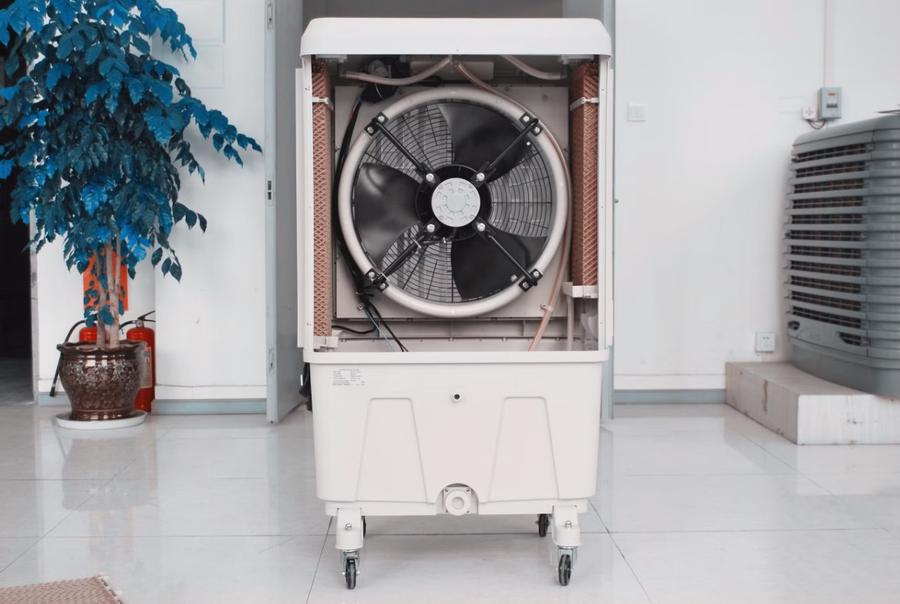
The air conditioning system is not a single element, but a whole chain of interrelated components. A violation in one place affects everything else. For example, clogged filters restrict air flow. The air moves worse, the evaporator fails, and the compressor runs longer.
Further more. Low refrigerant level leads to overheating. Clogging of the drainage system causes water leaks, and sometimes an increase in humidity inside the room. Considering that the system can remove up to 8-12 liters of moisture per day, even a small problem here quickly gets out of control.
Add to this the wear and tear of electrical components. Constant work of 16-20 hours a day accelerates degradation. In such conditions, the service life of the equipment without maintenance is reduced to 5-6 years. With regular service, it increases to 8-10 years. The difference is obvious, but often ignored.
Pre-Season Training: What Is Really Important
Pre-season maintenance is not a formal check. This is a full-fledged diagnosis of the system, which allows you to identify weaknesses before peak loads. And here it is important not to limit yourself to surface cleaning.
First, the filters. They need to be cleaned or replaced, especially during periods of high load. Secondly, cleaning the condenser and evaporator. Without this, normal heat exchange is impossible. Next, the refrigerant level is checked. If it is lower than normal, the system not only cools worse, it works with overload. At the same time, the drainage system is being checked, as blockages here lead to leaks and damage.
Do not forget about the electrical components. Checking connections, diagnosing voltage, assessing the condition of the elements all this reduces the risk of system failure at the most inopportune moment. Special attention is paid to the air ducts. Air leaks can reduce efficiency by up to 30%, and this is already a serious loss of productivity.
The Economics Of Service And The Real Consequences
Ignoring preventive maintenance almost always leads to one scenario. At first, there was a slight cooling. Then the electricity bills rise. Then emergency repairs. At the same time, regular maintenance reduces energy consumption by 20-30%. This means direct savings. Moreover, the probability of breakdowns without service increases 3-4 times. As a result, repair and maintenance costs can be 30-60% higher than with timely maintenance.
It is important to understand a simple thing. The HVAC system does not fail suddenly. It gradually loses its effectiveness, signaling this through small changes: noise, uneven cooling, water leaks, odors. Ignoring these signals is a direct path to serious costs.
In conditions of high temperature, constant dust and continuous operation, the system requires attention. Not episodic, but regular. This is the only way to maintain productivity, control energy consumption, and avoid situations where the air conditioner stops working exactly when it is needed most.

Fixie owner, maker, hiphop head, reclaimed wood collector and communicator, collector, connector, creator. Making at the crossroads of design and elegance to craft an inspiring, compelling and authentic brand narrative. I’m fueled by craft beer, hip-hop and tortilla chips.